bmd518

September 5, 2025
nanotech-trans-med-path.png

Nanotechnology is transforming modern medicine and the way pathology laboratories deliver diagnostics. It goes far beyond simple “miniaturization.” At the nanoscale (1–100 nanometers), materials and devices can be engineered to detect, diagnose, and treat diseases with unprecedented precision. For laboratories and healthcare providers, this breakthrough is already redefining workflows, accuracy, and patient outcomes.

🔬 1. Nanotechnology in Medical Diagnostics

Early Disease Detection – Nanoparticles identify biomarkers at ultra-low concentrations, making it possible to detect diseases such as cancer, HIV, or tuberculosis at their earliest stages.

Point-of-Care Devices – Lab-on-a-chip platforms powered by nanotech enable rapid, bedside, or remote testing without requiring full-scale laboratory infrastructure.

Advanced Molecular Imaging – Quantum dots and gold nanoparticles enhance imaging techniques like MRI, CT, and fluorescence scanning, offering clearer, faster diagnostic results.

🧪 2. Nanotechnology in Pathology Laboratory Testing

Nano-Biosensors – Engineered nanostructures can rapidly detect DNA mutations, proteins, or pathogens in blood or tissue, often without complex sample preparation.

Improved Sensitivity – Nanoparticle-based assays outperform conventional methods (ELISA, PCR) by detecting diseases at the molecular level with higher accuracy.

Automation & Miniaturization – Lab-on-a-chip devices combine multiple laboratory functions into a single microchip, cutting turnaround times and reagent use.

Enhanced Digital Pathology – Nanoprobes improve tissue staining and molecular tagging, giving pathologists sharper, more specific insights into disease progression.

💊 3. Nanotechnology in Treatment & Personalized Medicine

Targeted Drug Delivery – Nanocarriers transport medication directly to diseased cells, such as tumors, reducing side effects and improving efficacy.

Nano-Theranostics – Integrates therapy and diagnostics into a single nanoparticle, enabling real-time monitoring of treatment response.

Regenerative Medicine – Nanomaterials are applied in wound healing, tissue engineering, and the development of artificial organs.

⚡ 4. Key Benefits for Laboratories & Healthcare

Faster Results – From days to minutes or hours.

Higher Accuracy – Reduced false positives and negatives.

Cost Efficiency – Lower reagent volumes and scalable testing.

Accessibility – Portable nanotech kits expand diagnostic services in underserved areas.

🌍 5. Real-World Applications in Practice

Nanoparticle-based COVID-19 test kits for rapid detection.

Nano-gold immunoassays for HIV and hepatitis screening.

Liquid biopsies powered by nanotech for early cancer detection.

Nanopore sequencing in genomics and molecular pathology.

✨ The Takeaway
Nanotechnology is shifting diagnostics from being largely reactive—identifying disease after symptoms appear—to being proactive and predictive, capable of detecting illness at the earliest molecular stage. For patients, this means earlier interventions, more effective treatments, and better outcomes. For laboratories, it means faster, more accurate, and cost-effective testing.

At Brightfield Medical Diagnostics Ltd, we recognize that nanotechnology represents one of the most revolutionary forces shaping the future of medicine — and we are committed to integrating these innovations into the diagnostic solutions we provide.

September 5, 2025
biopsy-proced-what-pati-shoul-kno.png

When faced with a health concern, your doctor may recommend a biopsy. For many patients, the idea of a biopsy can feel intimidating, often associated with uncertainty or fear. At Brightfield Medical Diagnostics Ltd, we believe that understanding what a biopsy is, why it’s done, and what to expect can help ease anxiety and empower patients to make informed decisions about their health.

What is a Biopsy?

A biopsy is a medical procedure where a small sample of tissue or cells is taken from the body for closer examination under a microscope. Pathologists — the doctors who specialize in analyzing tissues and body fluids — study the sample to detect abnormalities, confirm diagnoses, and guide treatment.

Why Are Biopsies Done?

Biopsies are performed for many reasons, including:

Detecting Cancer: The most common reason for a biopsy is to confirm or rule out cancer.

Investigating Abnormalities: If imaging tests or blood tests show unusual results, a biopsy provides clarity.

Monitoring Conditions: In chronic illnesses such as liver disease or kidney disease, biopsies help monitor progression.

Guiding Treatment: Accurate diagnosis ensures that patients receive the right treatment at the right time.

Types of Biopsies

There are several types of biopsies, depending on the part of the body being examined and the method used:

Needle Biopsy: Uses a thin needle to remove tissue, often guided by ultrasound or CT scan.

Surgical Biopsy: A surgeon removes part or all of a suspicious area.

Endoscopic Biopsy: Tissue is collected using a flexible tube with a camera during procedures such as colonoscopy.

Skin Biopsy: A small section of skin is removed to check for conditions like infections, rashes, or skin cancers.

What Patients Should Expect

Before the Procedure: Your doctor will explain why the biopsy is needed, discuss the method, and answer your questions.

During the Procedure: Depending on the type, local or general anesthesia may be used. Most biopsies are quick and cause minimal discomfort.

After the Procedure: You may experience mild soreness or bruising at the biopsy site. Results are usually ready within a few days, as pathologists carefully study the sample.

Addressing Patient Concerns

It is natural to feel anxious about a biopsy. Some common patient worries include pain, risk of complications, or fear of results. At Brightfield Medical Diagnostics, we ensure:

Clear Communication: We explain each step to reduce fear of the unknown.

Safety First: Procedures are performed with the highest medical standards to minimize risks.

Compassionate Care: Our team supports patients emotionally as well as medically.

Why Pathology Matters in Biopsies

The true value of a biopsy lies in the expertise of the pathologist. Their interpretation transforms a small tissue sample into a clear diagnosis, guiding the next steps in care. Without pathology, treatment decisions would be uncertain.

Key Takeaway

A biopsy is not something to fear — it is a powerful tool that helps detect disease early, confirm diagnoses, and ensure patients receive the right treatment. At Brightfield Medical Diagnostics Ltd, we are committed to providing patients with accurate, timely, and compassionate diagnostic services.

👉 If your doctor recommends a biopsy, remember — it’s a step toward clarity, healing, and peace of mind.


September 5, 2025
path-in-early-disease-detection.png

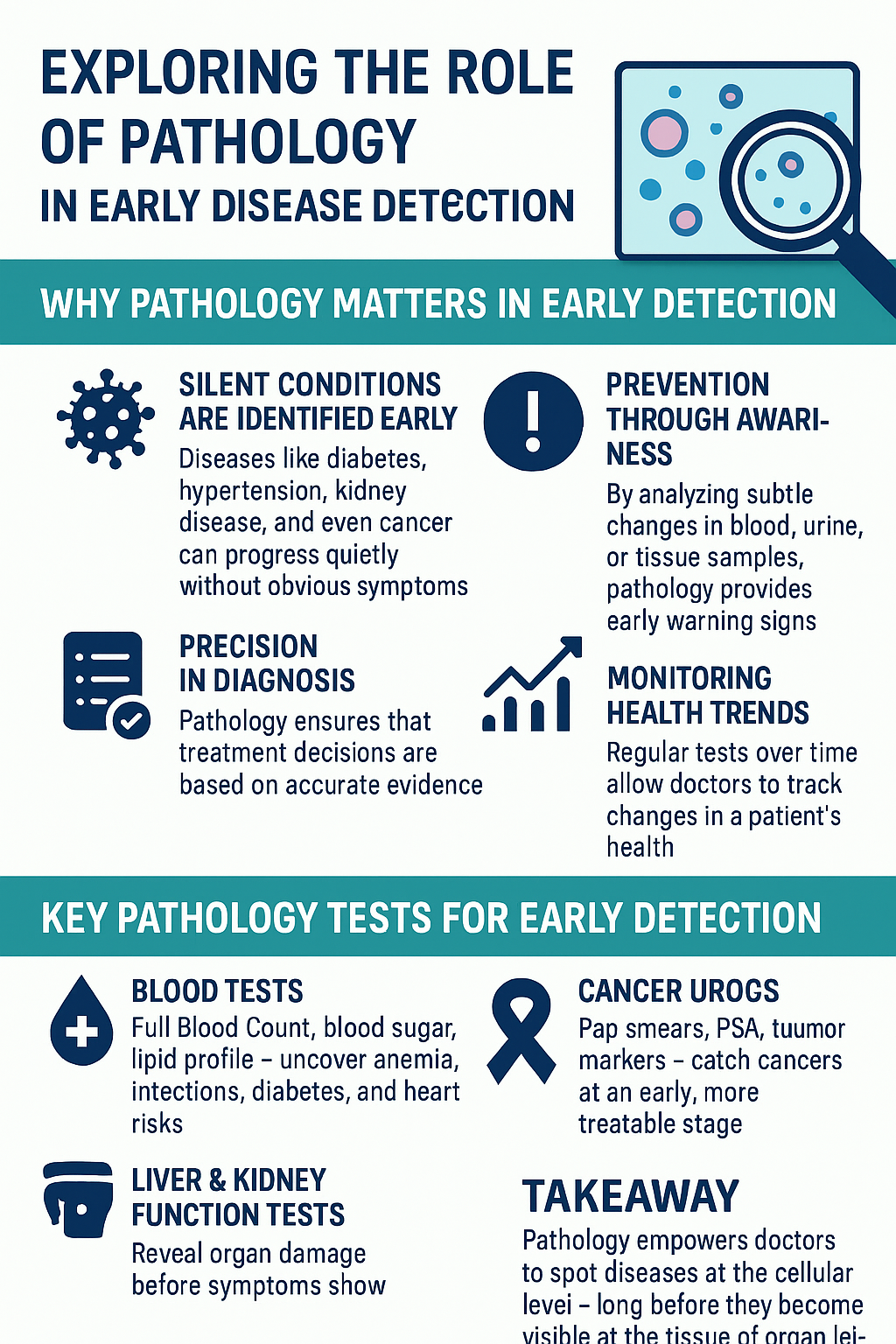
Early disease detection can mean the difference between a full recovery and a life-threatening complication. But how exactly are hidden health risks uncovered before symptoms even appear? The answer lies in pathology—the cornerstone of modern medical diagnostics.

Pathology is the study of diseases, examining changes in cells, tissues, and body fluids to identify what is happening inside the body. It plays a vital role in preventive medicine by detecting abnormalities early, allowing for timely interventions that save lives.

Why Pathology Matters in Early Detection

Silent Conditions Are Identified Early
Diseases like diabetes, hypertension, kidney disease, and even cancer can progress quietly without obvious symptoms. Routine pathology tests reveal these hidden risks long before they manifest.

Prevention Through Awareness
By analyzing subtle changes in blood, urine, or tissue samples, pathology provides early warning signs. Patients and doctors can then take preventive steps to avoid disease progression.

Precision in Diagnosis
Pathology ensures that treatment decisions are based on accurate evidence. For example, distinguishing between a bacterial and viral infection helps avoid unnecessary antibiotics.

Monitoring Health Trends
Regular tests over time allow doctors to track changes in a patient’s health, spotting problems before they become critical.

Key Pathology Tests for Early Detection

Blood Tests (Full Blood Count, blood sugar, lipid profile) – uncover anemia, infections, diabetes, and heart risks.

Urinalysis – detects kidney disease, infections, or metabolic disorders.

Liver & Kidney Function Tests – reveal organ damage before symptoms show.

Cancer Screening Tests (Pap smears, PSA, tumor markers) – catch cancers at an early, more treatable stage.

Cytology & Histology – analyze cells and tissues for early disease changes.

Real-World Examples

Cervical Cancer: Regular Pap smears can detect precancerous cell changes, reducing cervical cancer risk dramatically.

Diabetes: A simple fasting blood sugar or HbA1c test can identify pre-diabetes, giving patients the chance to reverse it with lifestyle changes.

Kidney Disease: Routine urine tests can flag early signs of kidney damage before it becomes irreversible.

The Role of Pathology Laboratories

Behind every successful diagnosis is a pathology lab ensuring accuracy, speed, and reliability. At Brightfield Medical Diagnostics Ltd, we combine advanced technology with expert pathologists to deliver results that patients and doctors can trust. Our mission is to make early detection accessible, accurate, and timely—because every day counts in the fight against disease.

Takeaway

Pathology is not just about identifying diseases after they appear—it’s about preventing them from taking hold in the first place. By shining a light on the invisible changes happening inside the body, pathology empowers doctors and patients with the knowledge needed to act early and stay healthy.

👉 Don’t wait for symptoms. Choose preventive care with Brightfield Medical Diagnostics Ltd—your partner in early disease detection.


September 4, 2025
top-5-lab-test-1.png

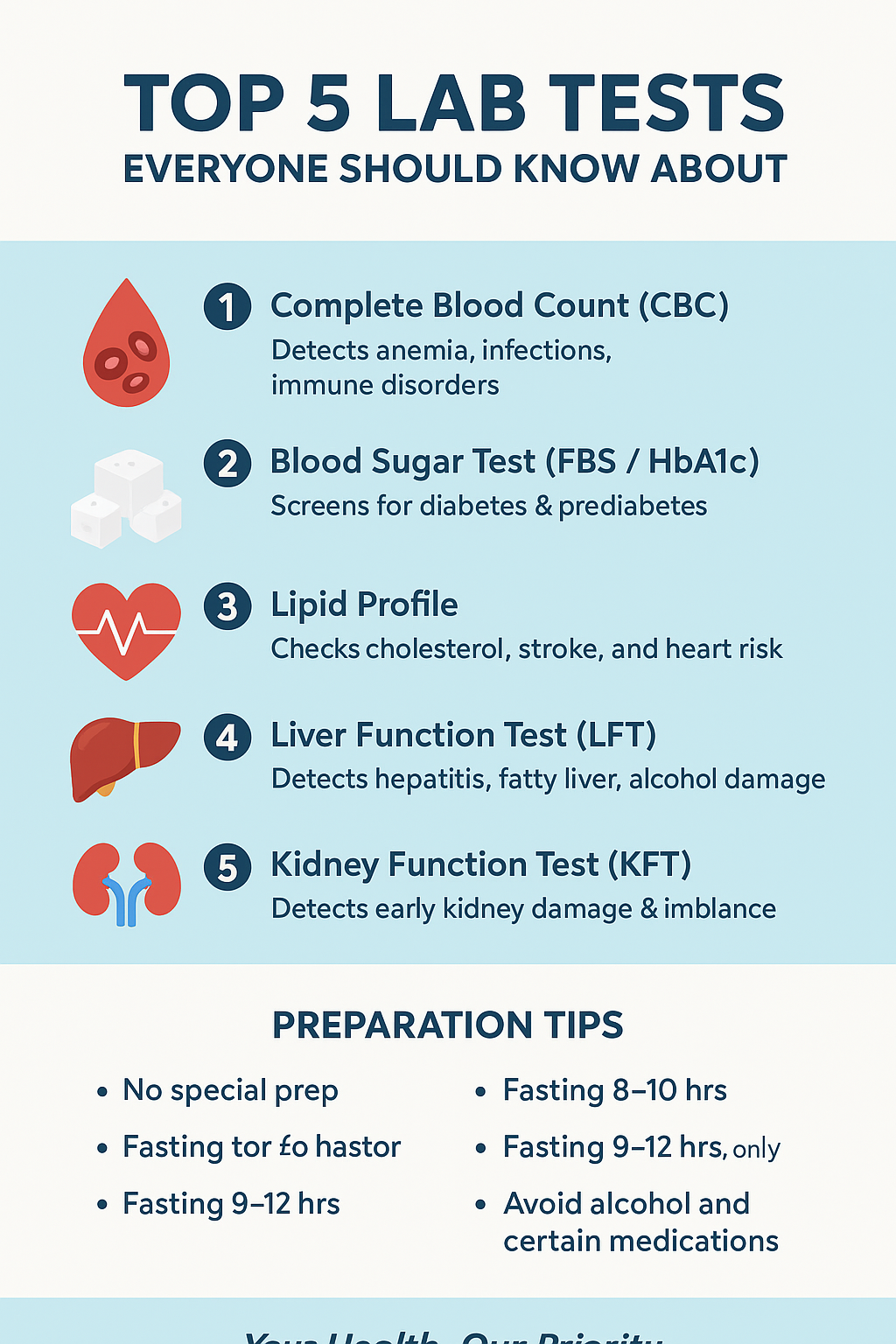
Healthcare is not just about treating illness—it’s about preventing it. Regular lab tests are one of the simplest ways to monitor your health, catch silent conditions early, and take preventive action. At Brightfield Medical Diagnostics Ltd, we believe that being informed about essential tests empowers patients to take charge of their well-being.

1. Complete Blood Count (CBC)

What it is: Measures red blood cells, white blood cells, hemoglobin, and platelets.

Why it matters: Detects anemia, infections, immune disorders, and blood cancers.

Preparation: Usually none, but let your doctor know if you’re on medication.

🎥 Video Idea: Animation of blood cells under a microscope, highlighting healthy vs. abnormal counts.

2. Blood Sugar Test (Fasting Blood Sugar / HbA1c)

What it is: Measures glucose levels in the blood.

Why it matters: Screens for diabetes and prediabetes.

Preparation: Fasting 8–10 hours (for FBS). HbA1c requires no fasting.

🎥 Video Idea: Simple animation showing sugar intake → bloodstream → how high sugar damages organs.

3. Lipid Profile

What it is: Measures cholesterol and triglycerides.

Why it matters: Identifies risk of heart disease, stroke, and hypertension.

Preparation: Fast for 9–12 hours (only water allowed).

🎥 Video Idea: Arteries shown as pipes, cholesterol buildup vs. clear arteries.

4. Liver Function Test (LFT)

What it is: Evaluates liver enzymes, proteins, and bilirubin.

Why it matters: Detects liver diseases (hepatitis, fatty liver, alcohol damage).

Preparation: Avoid alcohol and certain medications before testing.

🎥 Video Idea: Visual of liver filtering toxins, with warning signs like yellow eyes (jaundice).

5. Kidney Function Test (KFT)

What it is: Measures urea, creatinine, and electrolytes.

Why it matters: Detects early kidney damage, especially in diabetics and hypertensive patients.

Preparation: Stay hydrated; inform your doctor about medications.

🎥 Video Idea: Kidneys filtering water, animation of toxins building up when kidneys fail.

Takeaway

These five tests form the backbone of preventive healthcare. They are simple, affordable, and can save lives by spotting hidden health problems before symptoms appear.

At Brightfield Medical Diagnostics Ltd, we offer these tests with:
✔ Modern diagnostic equipment
✔ Fast turnaround times
✔ Expert interpretation by pathologists

👉 Your health is in your hands—start with these 5 essential lab tests today.


September 4, 2025
how-cell-studies-detect-disease-early.png

When it comes to disease prevention and diagnosis, timing is everything. Cytology—the study of individual cells—has become one of the most powerful tools in modern medicine for detecting illnesses at their earliest stages. From cancer screening to infection detection, cytology provides fast, minimally invasive, and highly informative insights into your health.

What is Cytology?

Cytology is a branch of pathology that focuses on the microscopic examination of individual cells collected from body fluids, tissue scrapings, or fine needle aspirations. Unlike histology (which studies entire tissues), cytology zooms in at the cellular level to spot changes that signal disease.

Why Cytology Matters

Early Detection of Cancer
Pap smears and other cytological screenings can detect precancerous and cancerous changes in cells before symptoms develop. This means treatment can begin earlier, when it’s most effective.

Minimally Invasive Testing
Cytology samples are usually collected through swabs, fluid analysis, or fine-needle aspirations, avoiding the need for surgical biopsies in many cases.

Quick and Reliable Results
Because cytology involves direct cell examination, results are often available faster, helping doctors make prompt decisions.

Wide Application
Beyond cancer, cytology helps diagnose infections, inflammations, thyroid conditions, and other diseases.

Common Cytology Tests

Pap Smear: Screens for cervical cancer and precancerous changes.

Fine Needle Aspiration Cytology (FNAC): Extracts cells from lumps (like thyroid, breast, or lymph nodes) for analysis.

Urine Cytology: Detects bladder cancer or infections.

Sputum Cytology: Identifies lung cancer or respiratory infections.

Body Fluid Cytology: Examines fluids (pleural, peritoneal, cerebrospinal) for cancer or infection.

Cytology at Brightfield Medical Diagnostics Ltd

At Brightfield Medical Diagnostics Ltd, our cytology services are designed to provide:

Accurate cellular analysis using modern laboratory equipment.

Fast turnaround times so you get answers quickly.

Expert pathologist review to ensure precise and reliable results.

Your health is too important to wait. Early detection saves lives, and cytology is one of the simplest, most effective ways to achieve it.

Takeaway

Cytology empowers doctors to spot diseases at the cellular level—long before they become visible at the tissue or organ level. Whether it’s a routine Pap smear or a specialized fluid analysis, cytology is a cornerstone of preventive healthcare.

👉 Schedule your cytology screening today with Brightfield Medical Diagnostics Ltd and take the first step toward safeguarding your health.


September 4, 2025
regular-health-check-up.png

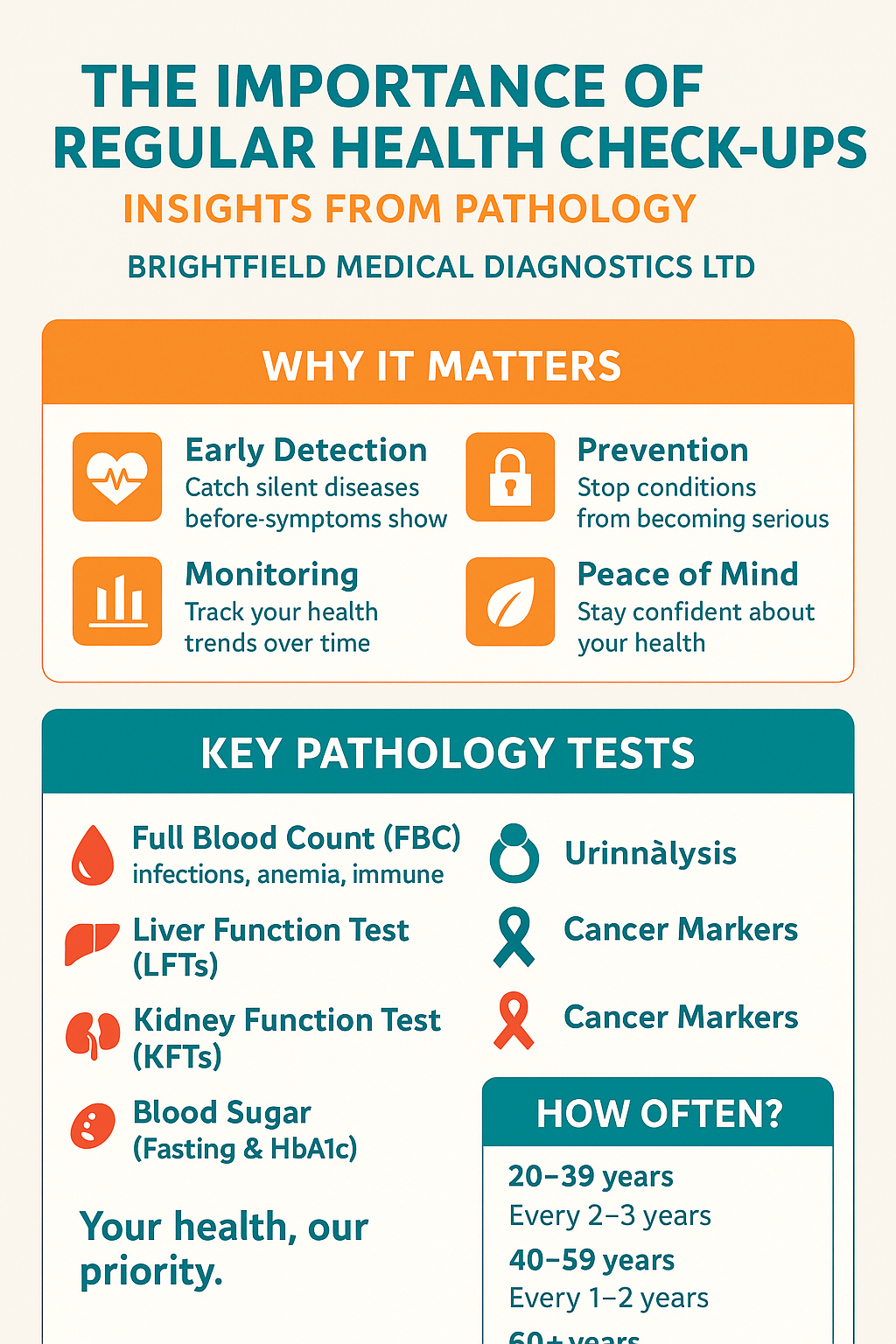
When was the last time you had a health check-up? For many people, the answer is “a while ago” or “only when I feel sick.” Yet, preventive healthcare is one of the strongest investments you can make in your well-being—and pathology plays a central role in making it possible.

Pathology is the medical specialty that studies the causes and effects of diseases, often through laboratory testing of blood, urine, tissue, and other samples. By uncovering hidden risks before they become serious, pathology provides doctors with the evidence they need to diagnose, treat, and prevent illnesses effectively.

Why Regular Health Check-ups Matter

Early Detection of Silent Conditions
Many diseases—like diabetes, hypertension, kidney disease, and some cancers—can remain hidden for years without obvious symptoms. Routine pathology tests such as blood sugar, cholesterol, and full blood counts can reveal early warning signs before you notice anything unusual.

Preventing Complications
Detecting abnormalities early can prevent them from progressing into life-threatening complications. For example, catching high blood pressure or elevated blood sugar levels through regular tests allows for timely lifestyle adjustments or treatment.

Personalized Health Monitoring
Everyone’s health journey is unique. Regular check-ups allow doctors to track your specific health trends over time, spotting subtle changes that might indicate developing problems.

Peace of Mind
Regular health check-ups reduce anxiety by assuring you that things are under control—or by giving you the chance to act quickly if something is detected.

Key Pathology Tests in Routine Check-ups

A regular health check-up often includes:

Full Blood Count (FBC): Provides insight into general health, infections, anemia, and immune status.

Liver Function Tests (LFTs): Evaluates liver health and detects damage or disease early.

Kidney Function Tests (KFTs): Checks how well your kidneys filter and balance body fluids.

Blood Sugar (Fasting & HbA1c): Detects diabetes or pre-diabetic conditions.

Lipid Profile (Cholesterol & Triglycerides): Assesses risk of heart disease and stroke.

Urinalysis: Detects infections, kidney disease, or metabolic disorders.

Cancer Markers (when needed): Helps in the early detection of certain cancers.

How Often Should You Get Checked?

Ages 20–39: Every 2–3 years, unless you have risk factors (family history, obesity, high blood pressure, etc.).

Ages 40–59: Every 1–2 years, since risks of lifestyle-related diseases increase.

60 and above: Annually, or more frequently if advised by your doctor.

Specialized screenings (like mammograms, prostate-specific antigen tests, or colonoscopies) may be recommended depending on your age, gender, and risk profile.

The Role of Pathology Laboratories

Behind every accurate diagnosis lies the work of skilled pathologists and laboratory professionals. They ensure tests are carried out precisely, results are validated, and doctors get the evidence they need to guide treatment. At Brightfield Medical Diagnostics Ltd, we pride ourselves on delivering reliable test results with speed and accuracy—because your health decisions depend on it.

Takeaway

Regular health check-ups aren’t just for when you feel unwell—they’re an essential part of preventive care. With the help of pathology, hidden risks can be uncovered early, giving you the best chance for a long, healthy, and fulfilling life.

👉 Don’t wait until symptoms appear. Schedule your routine health check-up today—your future self will thank you.